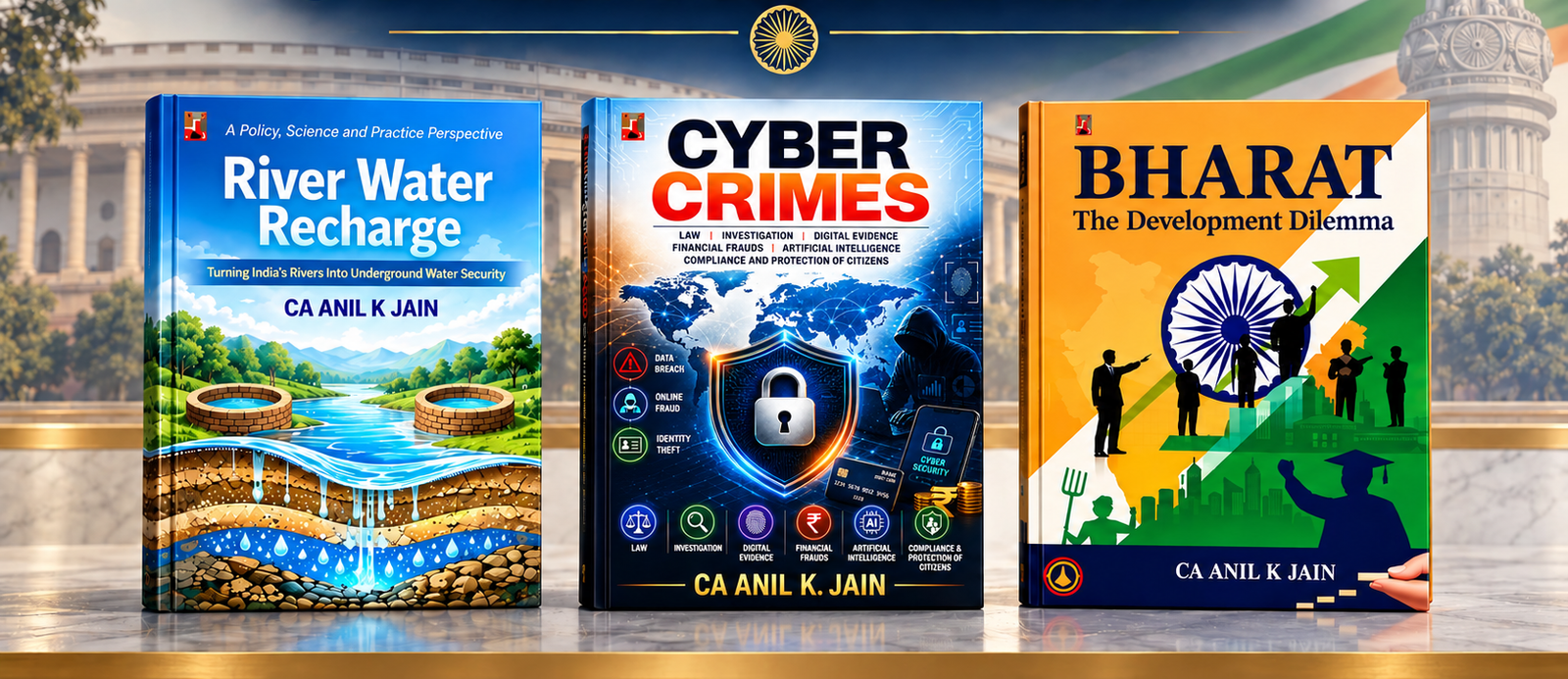
By CA Anil K. Jain
Chartered Accountant | Macro-Economist | Policy Researcher | Author |
President – Ahimsa Foundation India
The QUAD Leaders’ Summit, held in Manila, Philippines, on 17 November 2026, brought together the leaders of India, the United States, Japan and Australia to strengthen strategic, economic and technological cooperation in the Indo-Pacific region.
The principal agenda included regional security, maritime cooperation, critical minerals, supply-chain resilience, artificial intelligence, cybersecurity, counterterrorism and disaster management. The leaders reaffirmed their commitment to a free, open, stable and prosperous Indo-Pacific.
Major outcomes of the summit included the proposed establishment of a Quad Business Leaders' Forum in Mumbai in early 2027, cooperation in advanced artificial intelligence through the Super Intelligence Accelerator, enhanced maritime surveillance, stronger undersea cable connectivity and increased cybersecurity cooperation. The leaders also reiterated their opposition to terrorism and their support for ASEAN's central role in regional affairs.
For India, the summit has significant short-term and long-term implications.
In the short run, it strengthens India's strategic position, improves opportunities for maritime security cooperation, opens avenues for international investment and provides greater scope for collaboration in cybersecurity and advanced technologies.
In the long run, the partnership could help India diversify critical mineral supplies, expand manufacturing, attract foreign investment, develop its artificial intelligence ecosystem, strengthen energy security and increase its influence in the Indo-Pacific region.
The summit also provides India with an opportunity to strengthen its economic and diplomatic relationships while maintaining its independent foreign policy.
Conclusion: The Manila summit represents an opportunity to transform the QUAD from a strategic dialogue into a practical platform for economic growth, technological advancement, regional security and international cooperation. Its ultimate success will depend upon the effective implementation of the initiatives announced and the tangible benefits delivered to participating countries.